
Treatment-resistant depression is a complex mental health condition where standard antidepressant therapies do not provide sufficient relief. In regions like Westchester, patients and families often face a long journey of trial and adjustment before finding effective care. Unlike typical depressive episodes, this condition requires a more tailored and persistent approach, often involving multiple treatment strategies. …
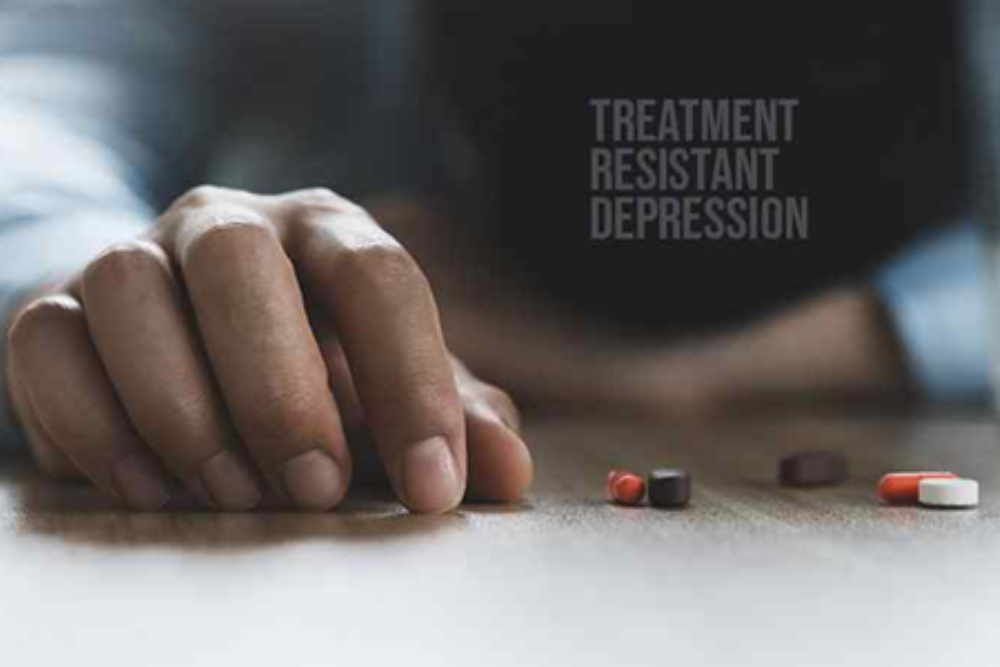
Treatment-resistant depression is a complex mental health condition where standard antidepressant therapies do not provide sufficient relief. In regions like Westchester, patients and families often face a long journey of trial and adjustment before finding effective care. Unlike typical depressive episodes, this condition requires a more tailored and persistent approach, often involving multiple treatment strategies. The emotional burden can be significant, impacting work, relationships, and daily functioning. However, with advances in mental health research and specialized services available in Westchester County, New York, there is growing hope for improved outcomes and better quality of life for those affected.
The causes of treatment-resistant depression are multifaceted, involving biological, psychological, and environmental factors. Some individuals may have genetic predispositions that influence how neurotransmitters respond to medication, while others struggle with chronic stress, unresolved trauma, or long-term emotional strain. In some cases, misdiagnosis or incomplete medication trials can contribute to a diagnosis of Treatment-resistant depression. In Westchester, increased awareness among healthcare providers has led to more comprehensive evaluations, ensuring that underlying conditions such as anxiety disorders, bipolar spectrum conditions, or thyroid imbalances are not overlooked. This holistic understanding is essential for developing effective, individualized treatment plans.
Treatment strategies for TRD often require a combination of therapeutic approaches. Psychotherapy, including cognitive behavioral therapy (CBT) and dialectical behavior therapy (DBT), helps patients reshape negative thought patterns and build emotional resilience. Pharmacological approaches may involve switching antidepressants or augmenting them with mood stabilizers or atypical antipsychotics. For more severe cases, advanced interventions such as electroconvulsive therapy (ECT) and transcranial magnetic stimulation (TMS) have shown promising results. In Westchester County, New York, specialized psychiatric services are increasingly offering these evidence-based treatments, allowing patients to receive advanced care closer to home. Personalized treatment plans are essential, as no single approach works universally for everyone experiencing Treatment-resistant depression.
Access to mental health care in Westchester County has improved significantly in recent years. Patients can now choose from outpatient clinics, private practices, and hospital-based psychiatric programs that emphasize continuity of care. Many providers prioritize early intervention and long-term monitoring, which are crucial for managing persistent depressive symptoms. Community-based support groups also play an important role by reducing isolation and encouraging individuals to stay engaged with treatment. Additionally, the rise of telepsychiatry has expanded access for those who face transportation or scheduling barriers, making care more flexible and inclusive.
Although living with treatment-resistant depression can feel overwhelming, recovery is still possible with the right combination of care, patience, and support. In Westchester, growing awareness, improved diagnostic methods, and expanding treatment options are helping reshape outcomes for many individuals. While progress may be gradual, each step toward finding the right treatment plan brings patients closer to stability and improved well-being. With continued advancements in mental health care, there is real reason for hope for those navigating this challenging condition.