
Depression is one of the most common mental health conditions, affecting millions of people every year. While many individuals find relief through therapy and medication, some continue to struggle with persistent symptoms. For those who have not responded well to traditional treatments, TMS for depression Westchester is becoming an increasingly popular and effective option. Transcranial …
Depression is one of the most common mental health conditions, affecting millions of people every year. While many individuals find relief through therapy and medication, some continue to struggle with persistent symptoms. For those who have not responded well to traditional treatments, TMS for depression Westchester is becoming an increasingly popular and effective option.
Transcranial Magnetic Stimulation (TMS) is a non-invasive treatment that uses magnetic pulses to stimulate specific areas of the brain associated with mood regulation. The treatment targets the prefrontal cortex, a region that often shows decreased activity in people experiencing depression. By stimulating this part of the brain, TMS can help restore normal brain function and improve depressive symptoms.
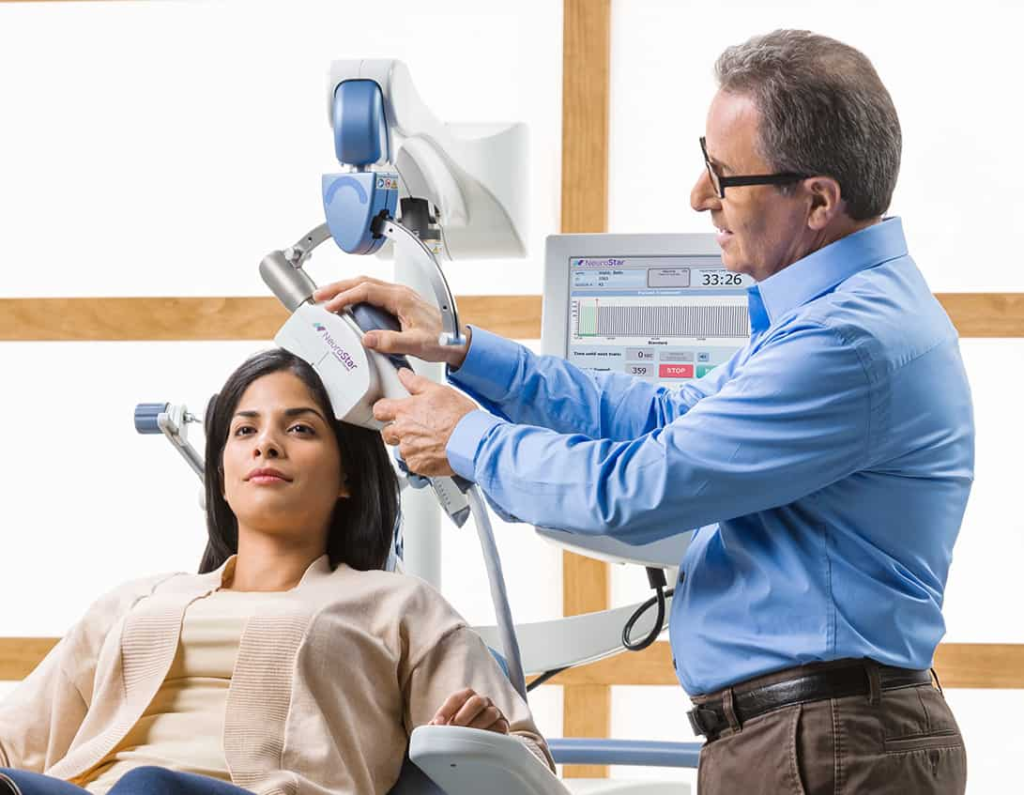
One of the major benefits of TMS for depression Westchester is that it does not require surgery or anesthesia. The procedure is performed in a clinical setting while the patient remains awake and comfortable. During a session, a small magnetic coil is placed near the scalp, delivering gentle pulses to stimulate nerve cells in the brain. Each treatment typically lasts between 20 and 40 minutes, allowing patients to return to their daily activities immediately afterward.
TMS therapy is often recommended for individuals who have tried antidepressant medications without significant improvement. Some patients also experience unwanted side effects from medications, such as weight gain, fatigue, or digestive issues. Since TMS directly targets brain activity rather than relying on medication, it can offer an alternative solution for those seeking a different approach to managing depression.
Another advantage of TMS for depression Westchester is its strong safety profile. The treatment is approved by the U.S. Food and Drug Administration (FDA) and has been extensively studied in clinical research. Most patients experience minimal side effects, with the most common being mild scalp discomfort or headaches during the first few sessions. These symptoms are usually temporary and decrease as treatment continues.
Treatment with TMS typically occurs over several weeks. Patients may attend sessions five days a week for about four to six weeks, depending on their specific treatment plan. Over time, many individuals begin to notice improvements in mood, energy levels, concentration, and overall quality of life. For some, TMS provides relief after years of struggling with treatment-resistant depression.
In addition to its effectiveness, TMS therapy offers convenience and flexibility. Because it does not require hospitalization or long recovery periods, patients can continue their work, school, and family responsibilities while undergoing treatment. Many clinics in Westchester also offer personalized treatment programs that combine TMS with psychotherapy and lifestyle guidance to maximize results.
When considering TMS therapy, it is important to consult with a qualified mental health professional who can evaluate your symptoms and determine whether the treatment is appropriate for your condition. A comprehensive assessment ensures that patients receive the most effective and personalized care possible.
In conclusion, TMS for depression Westchester represents an innovative and promising option for individuals who have not found success with traditional depression treatments. By using advanced technology to stimulate brain activity and restore balance, TMS is helping many people regain hope, improve their mental health, and move toward a more fulfilling and balanced life.