
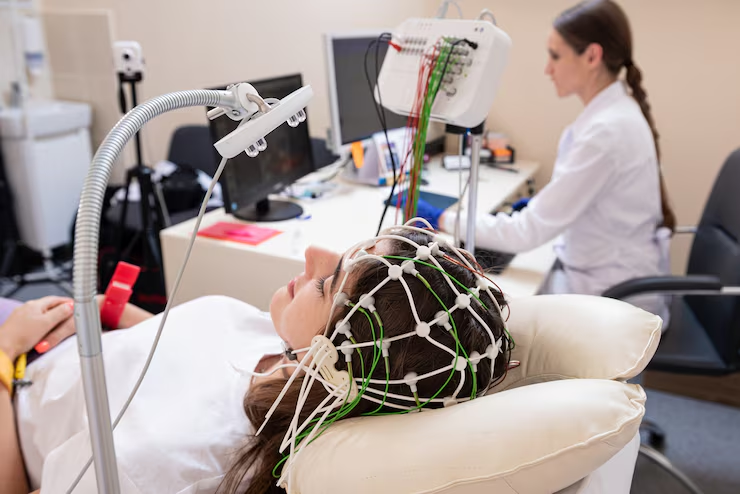
Advanced TMS Therapy for Depression Across Westchester
For many individuals throughout Westchester, depression can become exhausting not only because of the symptoms themselves, but because traditional treatment does not always provide the level of improvement patients were hoping for. Some people experience only partial relief with medication, while others struggle with side effects, emotional numbness, or symptoms that continue returning despite ongoing treatment.
At The Brain & Mind Healing Center in Mount Kisco, TMS therapy offers a different approach for patients seeking a non-invasive treatment option beyond medication alone. Patients from across Westchester often explore TMS after feeling frustrated by inconsistent results or wanting a more targeted treatment strategy for depression and mood-related symptoms.
What TMS Therapy Is Designed to Do
Transcranial Magnetic Stimulation, commonly known as TMS, is an FDA-cleared treatment that uses focused magnetic pulses to stimulate areas of the brain associated with mood regulation and emotional processing.
In individuals experiencing depression, these regions may show lower levels of activity. TMS works by helping reactivate and regulate those neural pathways over time without requiring medication to circulate throughout the body.
Treatment sessions are non-invasive, require no anesthesia, and allow patients to remain fully awake and alert throughout the process. Many individuals continue working, attending school, or managing their normal schedules while receiving treatment.
A Treatment Option for More Complex Depression
Patients throughout Westchester commonly consider TMS after trying antidepressant medications without achieving consistent or meaningful improvement. Others seek treatment because medication side effects have become difficult to tolerate or because they prefer a non-medication-based approach whenever possible.
TMS may be appropriate for individuals experiencing:
Persistent depression despite previous treatment
Treatment-resistant depression
Difficulty tolerating psychiatric medications
Emotional numbness or reduced motivation
Recurring depressive episodes affecting daily functioning
Before treatment begins, every patient undergoes a detailed psychiatric evaluation to determine whether TMS is clinically appropriate and how it should be integrated into their overall care plan.
Precision Matters in TMS Treatment
The effectiveness of TMS depends heavily on clinical accuracy, treatment planning, and ongoing adjustment throughout the process.
Our physician holds multiple board certifications across psychiatry and neurology, addiction medicine, geriatric psychiatry, preventive medicine, and psychopharmacology. This multidisciplinary expertise allows treatment to be approached with a deeper understanding of both mood disorders and the neurological mechanisms involved in TMS therapy.
For patients throughout Westchester seeking a more sophisticated and clinically focused treatment environment, this level of oversight helps ensure that care remains highly individualized.
Convenient Access for Patients Across Westchester County
Westchester includes many busy commuter communities where maintaining consistent mental health treatment can become challenging, especially when symptoms begin affecting work performance, relationships, energy levels, or overall quality of life.
Our Mount Kisco office provides convenient access for patients throughout Westchester, including Scarsdale, White Plains, Chappaqua, Bedford Hills, Pleasantville, Armonk, and Yorktown Heights.
Because TMS therapy involves multiple sessions over several weeks, accessibility and scheduling consistency are important parts of the treatment process. Many patients choose our practice because they are looking for a quieter, more private setting outside of larger hospital-based systems.
Frequently Asked Questions
What conditions is TMS therapy used for?
TMS is most commonly used to treat depression, particularly treatment-resistant depression or cases where medications have not provided sufficient relief.
Is TMS therapy safe?
Yes. TMS is FDA-cleared and has been extensively studied. It is considered safe and well tolerated for most patients.
Does TMS require anesthesia or sedation?
No. Patients remain awake during treatment sessions and can typically resume normal activities immediately afterward.
How long does treatment usually last?
Treatment schedules vary, but most patients complete a series of sessions over several weeks.
Can TMS be combined with other psychiatric treatments?
Yes. TMS is often integrated with medication management, psychotherapy, or other psychiatric services depending on the patient’s needs.
Depression Treatment Should Not Feel Limited to One Option
For individuals who have not experienced meaningful improvement through traditional treatment alone, TMS therapy may offer a more targeted and clinically advanced approach to depression care.
If you are in Westchester and interested in learning whether TMS therapy may be appropriate for you, contact The Brain & Mind Healing Center to schedule a consultation.